
Quick Answer Enterprise Resource Planning (ERP) gives CFOs a decision-ready view of current liquidity and future cash by connecting bank balances with receivables, payables, orders, budgets and operational data. When integrations, posting rules and refresh schedules are properly configured, finance…

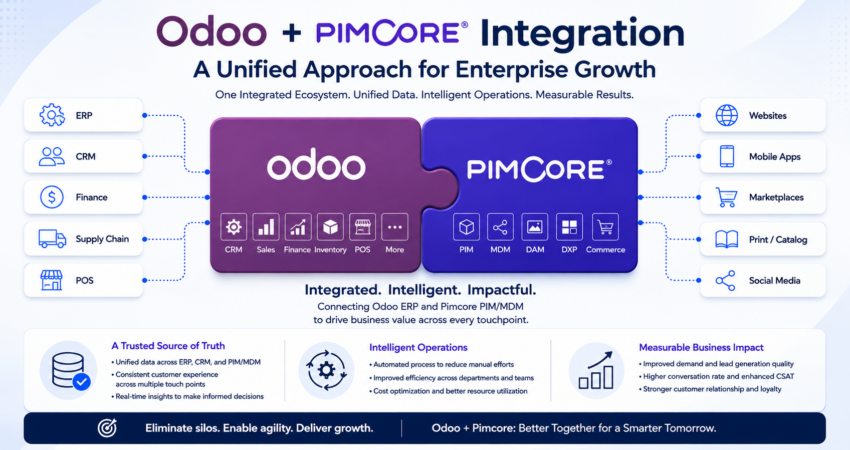
Today’s time is different. Now, business decisions are made at a faster pace than ever before. Organizations cannot operate today with a legacy mindset. They need smarter operations and better insights to make prompt decisions and take their business to…
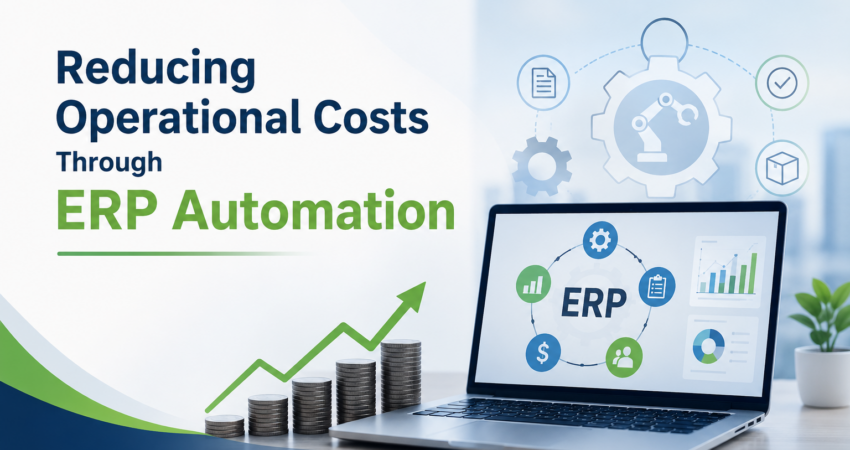
ERP (Enterprise Resource Planning) automation can reduce operational costs by removing manual handoffs, rework, delays, excess inventory and redundant systems. The highest returns typically come from high-volume processes such as accounts payable, procurement and inventory management. Quick Answer ERP automation…
The ERP landscape has changed with growing expectations from enterprises. It is no longer restricted to a system of records, but rather shifting towards an intelligence system. For initiatives like Agentic AI, the data backbone powers autonomous work, predictive supply…
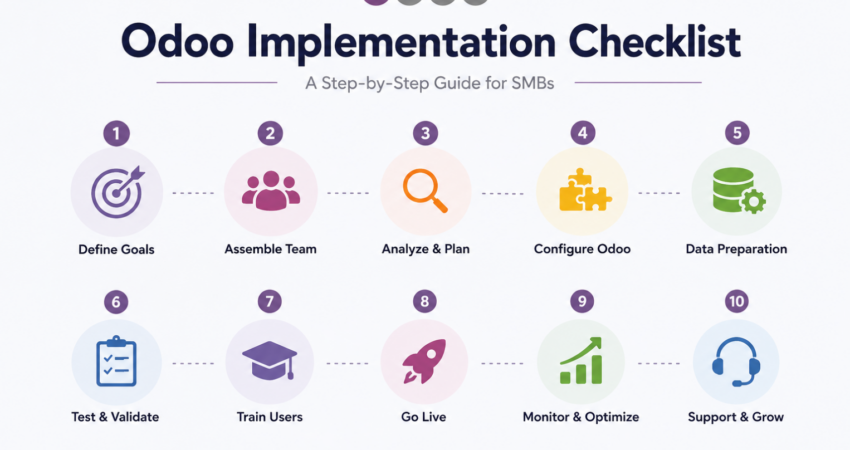
The decision to choose the right ERP platform is a complex one. It involves many factors that directly impact business agility and cost. ERP initiatives are expensive, time-consuming, and impact a large share of your workforce. Building a successful ERP…

The world of Enterprise Resource Planning (ERP) is changing faster than ever before. What was once a set of complex, planning-heavy systems has now evolved into lean, intelligent, and adaptive business platforms—driven by innovations in Artificial Intelligence (AI), Generative AI…

As we enter 2026, the landscape for early-stage tech companies has fundamentally changed. The era of growth at all costs is over. In its place is a mandate for precision, efficiency, and seamless customer experiences. For a CEO, the most…